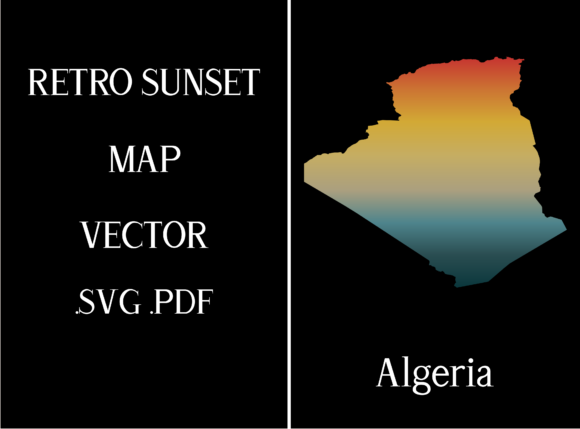
Algeria Retro Sunset Map Review
When I first opened the Algeria Retro Sunset Map file, my immediate reaction was a mix of nostalgia and practical curiosity. As someone who has spent years evaluating embroidery designs for both personal hobby projects and commercial client work, I know that a pretty vector image does not always translate into a successful stitched piece. The retro aesthetic immediately sets a specific mood: warm, vintage, and travel-inspired. It feels like something you would see on a worn-out canvas tote from a 1970s boutique or a high-quality patch on a denim jacket. But before I committed to stitching this onto a customer's order, I had to ask myself if it would hold up under the needle.
First Impressions and Visual Personality
The design brings a distinct energy that separates it from standard geometric logos. The layout suggests a journey, with the map contours likely blending seamlessly into the sunset gradient concept. For an embroidery designer, the initial appeal lies in how well the shapes will fill. Does the design rely too heavily on tiny details that might get lost in a dense stitch? Or is the balance between open space and filled areas just right? In this case, the Algeria Retro Sunset Map appears to have a strong visual personality that works well as a statement piece. It naturally belongs in projects where storytelling is key, such as custom apparel for travelers, boutique branding for import shops, or personalized gifts celebrating heritage.
The "Retro" aspect implies a specific color palette, likely utilizing muted oranges, deep purples, and soft yellows. This is crucial because thread colors behave differently than digital RGB values. A professional review must consider how these hues interact when stitched. If the design is intended for a dark background, the contrast needs to be sharp enough to make the map pop without looking muddy. If used on light fabric, the pastel tones should remain vibrant. The design feels versatile enough to serve as a central graphic on a sweatshirt or a subtle accent on a baby onesie, provided the scale is adjusted correctly.
Real-World Application: From Digital File to Finished Product
Let's imagine a real scenario. I am preparing for a holiday market season and need to create a limited run of embroidered tote bags featuring unique cultural art. I decide to test the Algeria Retro Sunset Map on a heavy cotton canvas tote. My goal is to create a product that customers can use daily but also want to keep as a keepsake. When I digitized the design for the hoop, I noticed that the curvature of the map lines would require careful attention to stitch direction to avoid puckering.
In practice, this design excels on stable fabrics like canvas, denim, or thick fleece. Imagine stitching this onto a premium apron for a kitchenware shop or a durable patch for a cap. The retro style fits perfectly with the "handmade" aesthetic that Etsy sellers and small business owners are currently seeking. Customers love items that feel authentic and curated. A simple logo often gets overlooked, but a detailed map with a sunset vibe tells a story. It transforms a basic commodity, like a plain t-shirt or a mug, into a conversation starter. The design acts as a bridge between modern print-on-demand efficiency and the tactile quality of traditional craftsmanship.
However, the application changes depending on the product. On a sweatshirt, the density of the fill stitches adds a nice texture that enhances the cozy feel. On a pillow cover, the design serves as wall art functionality, bringing warmth to a living space. For nursery decor, the soft retro colors could create a soothing atmosphere, though one must ensure the thread count isn't too rough for a baby's skin. The versatility here is high, making it a valuable asset for a creative entrepreneur looking to expand their catalog beyond generic text-based embroidery.
Where Caution Is Required
Despite its strengths, there are specific situations where the Algeria Retro Sunset Map requires careful handling. Not every surface is suitable for every design. If you are working with a very small hoop size, such as those used for cufflinks or tiny patches, the intricate details of the map might become indistinguishable blobs of thread. The human eye cannot resolve fine lines when the physical size of the stitches exceeds the detail level of the original vector.
Textured fabrics present another challenge. While linen or wool looks great with a rustic feel, the uneven surface can cause the satin stitch to skip or the fill stitch to look lumpy. Thin fabrics, like sheer polyester or lightweight rayon, are risky unless stabilized properly; the weight of the thread could distort the material, ruining the shape of the map. Stretchy knits, common in athletic wear, demand a stabilizer that prevents shifting, or the map lines will wobble after washing.
Dense stitch areas can also be problematic if the design is too crowded. If the sunset gradient relies on overlapping stitches, the resulting fabric might become stiff and uncomfortable against the skin. This is particularly important for kids' clothes or baby garments where softness is a priority. Furthermore, curved surfaces like baseball caps require a specialized cap hoop and careful placement. If the map is too wide, it might wrap awkwardly around the curve, distorting the geography of the country. Finally, products that undergo frequent industrial washing, like restaurant aprons, need to be checked for thread durability. If the design uses too many color changes or loose running stitches, it may fray over time, affecting the perceived value of the finished product.
Designer Notes for Success
To ensure the Algeria Retro Sunset Map delivers a professional result, I recommend following a few practical steps before committing to a full production run. First, always test the design on scrap fabric that matches your final project in terms of weight and stretch. This allows you to see how the stitch density interacts with the specific thread colors you plan to use. Sometimes a color combination that looks perfect on screen fails miserably in thread form due to sheen differences.
Review the hoop size requirements carefully. Ensure your machine can accommodate the dimensions of the map without cutting off parts of the design. Inspect small details closely; if there are tiny lettering elements or thin border lines, verify they are legible at the intended size. Testing the design in black and white mockups can help you judge the contrast levels independently of color distractions. Compare how it looks on both light and dark backgrounds to ensure the design remains visible and striking in all contexts.
Using the proper stabilizer is non-negotiable. For a design with significant fill areas, a cut-away stabilizer often provides the best long-term stability, preventing the embroidery from pulling or warping the fabric. Check whether the design includes any applique components; if so, ensure you have the correct backing materials ready. Before selling any finished items, confirm the licensing terms associated with the digital embroidery file. Some licenses restrict commercial use or limit the number of units you can produce.
Final Thoughts on Value and Appeal
The Algeria Retro Sunset Map offers a compelling blend of artistic flair and commercial viability. It elevates the perceived value of a handmade product by adding a layer of sophistication and cultural appreciation. For the Etsy seller or small shop owner, this design provides a unique angle that stands out in a crowded marketplace. It moves beyond generic "love" or "home" motifs to offer something specific and evocative.
Ultimately, the success of this design depends on execution. When stitched with care, using high-quality threads and appropriate stabilizers, it becomes more than just a graphic; it becomes a tangible piece of art. Whether applied to a tote bag design, a sweatshirt embroidery, or a decorative embroidered patch, the Algeria Retro Sunset Map has the potential to delight customers and build trust in your brand. It proves that with the right design assets, even a simple map can tell a powerful story through the medium of thread.