Eritrea Retro Sunset Map Review
When I first opened the Eritrea Retro Sunset Map file, I didn't just see a shape; I felt a specific kind of warmth. It is not merely a geographic outline or a standard logo asset. It carries a distinct vintage aesthetic that immediately suggests a narrative. As someone who spends their days evaluating embroidery files for real-world applications, from boutique branding to custom holiday gifts, my initial reaction was one of cautious optimism. The design feels right at home on a soft cotton tote bag or a heavyweight sweatshirt, but like any good designer knows, the devil is always in the stitching details.
The Mood and Visual Personality
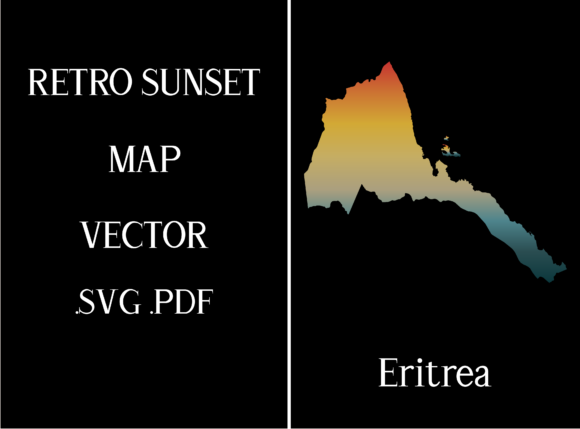
The Eritrea Retro Sunset Map exudes a nostalgic charm that is highly marketable in today's handmade economy. The color palette implied by the name suggests gradients of orange, deep red, and perhaps a dusty yellow, reminiscent of mid-century travel posters. This isn't a sterile, corporate vector; it has soul. For an embroidery project, this mood translates into high visual appeal. It creates an instant connection with customers who value heritage, travel, and artistic expression.
In terms of layout, the map likely balances detail with readability. A retro style often simplifies complex borders into clean lines, which is excellent news for machine embroidery. However, the "retro" aspect also implies potential texture or grain effects that need to be translated into thread. If the digital preview shows fine stippling or thin lines, we must consider how those will hold up under the tension of a needle. The design naturally belongs to projects that celebrate culture, personal identity, or artistic flair rather than purely functional items.
Real-World Application: The Custom Tote Scenario
Let's imagine a practical scenario. I am preparing a batch of custom embroidered tote bags for a local craft fair, targeting Etsy sellers and travelers. I want to feature the Eritrea Retro Sunset Map as the centerpiece of a limited edition collection. The goal is to create a product that feels premium enough to justify a higher price point while remaining accessible to a broad audience.
Upon loading the design into my software, I visualize the placement on a natural canvas tote. The warm tones of the sunset would pop beautifully against the neutral fabric. The map shape offers a generous area for fill stitches, allowing me to use a variety of thread colors to mimic the gradient effect. This isn't just a simple outline; it is a statement piece. When finished, the tactile quality of the satin stitch edges combined with the textured fill would give the bag a professional look that elevates the perceived value of the item.
However, if I were to attempt this on a small baby onesie, the scale might become an issue. The same design that looks majestic on a 10-inch wide tote could overwhelm a tiny chest area. This highlights the importance of matching the hoop size and garment dimensions to the design complexity. In this case, the map works best on larger surfaces where the details can breathe, such as aprons, pillow covers, or even wall art intended for display rather than wear.
Performance on Different Fabrics and Surfaces
The versatility of the Eritrea Retro Sunset Map depends heavily on the substrate. On stable fabrics like denim, canvas, or heavy cotton twill, the design should perform exceptionally well. These materials provide the necessary foundation to support the density required for a map outline without puckering. For a sweatshirt embroidery application, the structure holds up nicely, offering a classic streetwear vibe.
Conversely, there are areas where caution is advised. Stretchy knits, such as t-shirts made from thin jersey or athletic wear, present a challenge. Without proper stabilization techniques, the tension of the stitches could distort the fabric, causing the map to warp or the edges to curl. Similarly, textured fabrics like bouclé or thick fleece might obscure the finer details of the retro lines. If the design includes intricate corners or tiny lettering within the map borders, these elements risk becoming muddy on rough textures.
I also had to consider curved surfaces like caps. While a flat patch or a tote bag lays perfectly in a hoop, a cap requires a curved approach. The Eritrea Retro Sunset Map might lose its geometric integrity if the curvature of the hat forces the straight lines of the map to bend unnaturally. For a cap, a smaller, more simplified version of the graphic would likely yield better results than the full composition.
Navigating Technical Challenges
Before committing to a production run, several technical factors must be addressed. First, stitch density is critical. A map design often requires significant fill coverage to look solid and vibrant. If the density is too high, the fabric may become stiff and difficult to handle, especially for wearable items like kids clothes or delicate garments. Conversely, if the density is too low, the background fabric might show through, ruining the "sunset" gradient effect.
Thread color contrast is another vital consideration. To achieve the retro sunset look, the chosen threads must offer sufficient contrast against the base fabric. Testing on scrap fabric is non-negotiable here. You need to see how the colors interact under different lighting conditions. A mockup in black and white can also reveal if the design relies too heavily on subtle color shifts that might disappear when viewed from a distance or in poor light.
Stabilizer selection plays a massive role in the final outcome. For a detailed map, a cut-away stabilizer is often the safest bet to prevent distortion during washing and wearing. Using a tear-away might lead to fraying around the edges of the map over time. Additionally, inspecting the design for small details is essential. Are there any isolated stitches that might break easily? Is the digitizing optimized for the intended machine type?
Impact on Brand and Customer Perception
For Etsy sellers and small shop owners, the choice of design directly influences brand consistency and customer trust. A poorly executed embroidery job can make a high-quality product look cheap. However, when the Eritrea Retro Sunset Map is stitched correctly, it signals professionalism. It suggests that the maker cares about aesthetics and durability.
This design is particularly strong for personalized gifts and commercial assets. Imagine a wedding gift featuring a couple's hometown map rendered in this retro style, or a boutique branding element that ties a whole line of merchandise together. The unique visual personality helps products stand out in a crowded marketplace. It transforms a standard commodity into a collectible item.
However, buyers are increasingly discerning. They expect crisp edges, consistent tension, and no visible backing. If the embroidery file contains errors or if the execution is sloppy, it can damage the reputation of the business. Therefore, rigorous testing is part of the creative process. Confirming that the design works for both personal and commercial projects ensures you have the flexibility to expand your offerings without legal or technical hurdles.
Final Thoughts for the Designer
The Eritrea Retro Sunset Map is a compelling asset for anyone looking to add a touch of vintage elegance to their craft business. Its strength lies in its ability to convey emotion and story through simple shapes and color. Whether used on a tote bag design, a holiday ornament, or a decorative pillow, it has the potential to be a standout piece.
To get the most out of this design, remember to test thoroughly. Check the thread colors against your fabric choices. Ensure your stabilizer matches the weight of the material. And always verify the licensing terms before selling finished items or distributing the digital embroidery file. With careful planning and skilled execution, this map can elevate your work from a simple craft project to a professional, market-ready product that resonates with customers.