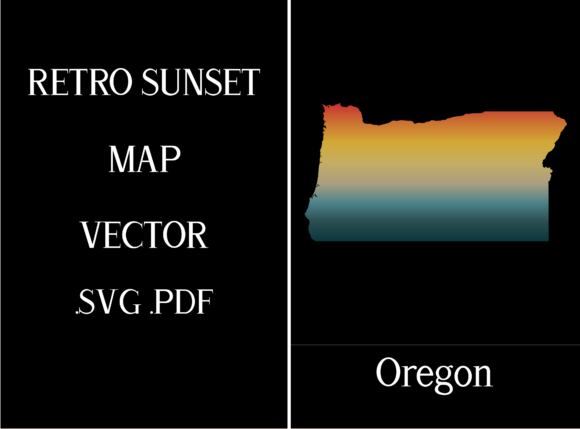
Oregon Retro Sunset Map Review
When I first opened the Oregon Retro Sunset Map file, I didn't just see a shape; I saw a vibe. As someone who has stitched thousands of designs for client projects and my own craft business, my immediate reaction was one of nostalgia mixed with modern appeal. This isn't just another generic state outline. The layout feels curated, balancing the rugged geography of the Pacific Northwest with a warm, vintage color palette that screams "road trip." It creates an instant emotional connection, making it perfect for anyone looking to add a touch of wanderlust to their handmade goods.
I immediately started visualizing this design on different surfaces. Could it work on a baby onesie? Absolutely. Would it look sharp on a heavy-duty tote bag? Yes. The Oregon Retro Sunset Map sits comfortably in the Logos and Graphics category, but its true strength lies in its versatility as a central motif for broader embroidery projects. It is designed to be more than a simple icon; it is a statement piece that can anchor a collection or stand alone as a focal point on a custom gift.
Real-World Application: From Screen to Stitch
Theoretical design is one thing, but seeing how it translates to thread is where the real test begins. I recently had a scenario where a local boutique owner needed a unique design for a new line of holiday gifts. She wanted something that represented the Pacific Northwest without being cliché. We pulled up the Oregon Retro Sunset Map to see how it would perform on a thick, heather-grey sweatshirt.
The result was striking. The retro aesthetic held up beautifully against the textured fabric. The curves of the map lines flowed naturally, avoiding the stiff, blocky look that often plagues digital graphics when converted to stitch. On a lighter background, like a white canvas tote bag, the colors popped with a clarity that suggested high quality. Customers browsing Etsy or craft fairs are drawn to items that feel personal and well-crafted. This design delivers that feeling instantly. It transforms a standard product into a keepsake, increasing the perceived value of the finished item.
However, not every surface is created equal. When I tested the design on a curved cap, I noticed that the outer edges required careful tension adjustments. While the design works well on flat surfaces like aprons, pillow covers, and kitchen towels, the curvature of a hat demands extra attention to stabilizer placement. If you are planning to use this for embroidered patches or custom apparel, remember that the retro style relies on clean lines. Any puckering from poor stabilization will ruin the nostalgic charm.
Navigating Fabric Challenges
One of the most critical aspects of using any machine embroidery design is understanding your substrate. The Oregon Retro Sunset Map features intricate details that might struggle on very thin or stretchy fabrics. If you are working with a lightweight jersey or a sheer material, you must use a high-quality cut-away stabilizer to prevent distortion. I have seen beautiful designs fail because the fabric stretched during stitching, causing the map lines to warp.
Dense stitch areas are another consideration. While the fill stitches in this design are generally well-balanced, testing on scrap fabric is non-negotiable. You need to ensure the thread density doesn't make the fabric too stiff, especially if the final product is meant to be soft, like a baby embroidery project or a children's garment. For dark fabrics, the contrast provided by the sunset colors is excellent, but you may need to adjust the underlay settings to ensure the bright threads sit flush against the dark background rather than sinking into the weave.
For those selling on platforms like Etsy, visual presentation is everything. A poorly executed stitch job can kill sales, no matter how good the design concept is. The Oregon Retro Sunset Map offers a professional look that builds trust with buyers. When customers see crisp satin stitches and clean running stitches, they assume the entire brand is reliable. This design helps elevate your shop from a hobbyist stall to a boutique-level operation.
Design Notes for the Practical Creator
Before you start mass-producing small shop products featuring this map, there are several technical checks you should run through. First, always inspect the small details. In some retro designs, tiny text or fine lines can disappear if the thread count is too low or the needle is dull. Check whether the design includes specific lettering or if it relies solely on the silhouette. If it contains tiny text, verify that it is legible at the size you intend to stitch.
Thread color selection plays a massive role in the final mood. The original colorway suggests warm oranges and deep purples, which evoke a classic sunset. However, experimenting with different thread colors can yield unique results. Try a monochromatic scheme for a sleek, modern look, or stick to the vibrant palette for maximum impact. Always review the stitch density in your software before hooping. If the design is too dense for your machine's capabilities, it may cause needle breakage or skipped stitches.
Licensing is a crucial step for commercial designers. Since this is a digital embroidery file intended for both personal and potentially commercial use, you must confirm the license terms before selling finished items. Some licenses allow you to sell unlimited physical products, while others restrict the number of units or require attribution. Ignoring these terms can lead to legal issues down the road. Make sure you understand what you are buying and how you can legally monetize the finished product.
If you are creating printable mockups for your listings, be realistic. Do not over-edit the image to hide potential stitching flaws. Show the texture of the thread and the slight depth of the embroidery. Authenticity sells. Buyers want to know exactly what they are getting. The Oregon Retro Sunset Map is a strong asset for craft business owners looking to expand their catalog with high-demand regional themes.
Where to Exercise Caution
While this design is robust, there are scenarios where it might not be the best fit. Avoid using it on extremely small hoop sizes where the detail might get lost. Similarly, be wary of using it on heavily textured fabrics like boucle or heavy corduroy, as the thread may not lay flat. For wedding gifts or delicate heirloom pieces, ensure the design is scaled appropriately so it doesn't overwhelm the fabric.
In conclusion, the Oregon Retro Sunset Map is a versatile and visually appealing addition to any designer's library. It bridges the gap between artistic expression and commercial viability. Whether you are making a single personalized gift or launching a full line of holiday embroidery products, this design provides a solid foundation. By paying attention to fabric choice, stabilizer usage, and licensing, you can turn this digital graphic into a tangible masterpiece that customers will love.
Take the time to test it thoroughly. Run a few samples on different materials. See how the satin stitch catches the light and how the fill stitch holds up after washing. Once you have mastered the technique, you will find that this design opens up a world of creative possibilities for your embroidery project. It is a reminder that great design is not just about the pixels on the screen, but how those pixels translate into the tactile reality of thread and fabric.