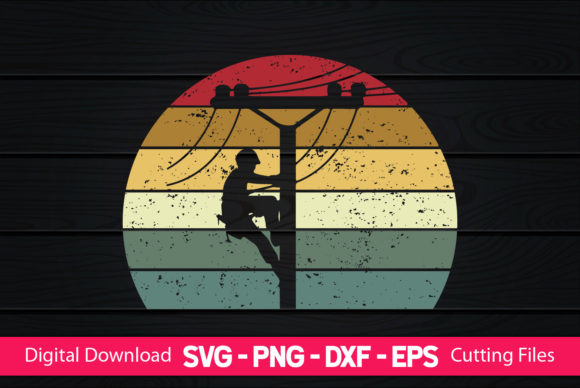
Vintage Electrician Lineman: A Designer's Real-World Review
As someone who has spent years evaluating machine embroidery design files for both personal hobby projects and commercial client work, I have learned to look past the flashy preview images. The real test happens when the file is loaded into the hoop, the stabilizer is applied, and the needle begins its dance. Recently, I put the Vintage Electrician Lineman design through a rigorous trial run to see if it holds up in a real-world scenario. This review is not just about what you receive in the download; it is about how this specific embroidery file performs when stitched onto actual fabric for a finished product.
The First Impression: Mood and Visual Personality
When I first opened the Vintage Electrician Lineman asset, the immediate feeling was one of rugged nostalgia. Unlike modern, hyper-detailed vector graphics that often look sterile in thread form, this design carries a distinct retro weight. It feels like something you would see on an old oil painting or a weathered sign at a roadside repair shop. The layout suggests a strong central figure with clear lines, which is crucial for stitch density management. For designers looking for a theme that screams "craftsman" without being overly cluttered, this piece hits the mark immediately. It creates a mood of reliability and hard work, making it a perfect candidate for custom apparel intended for tradespeople or as a heartfelt gift for a father figure.
Real-Life Scenario: The Custom Tote Bag Project
To truly understand the potential of this design, I decided to use it for a practical project: a custom embroidered tote bag for a local hardware store owner who wanted branded merchandise for her craft fair booth. The goal was to create a handmade product that felt premium but also durable enough for daily use. I selected a heavy-duty canvas tote, knowing that the fabric texture needed to support the design without puckering.
The process began with hooping the canvas and applying a cut-away stabilizer to ensure stability. As the machine started stitching the Vintage Electrician Lineman, I monitored the tension closely. The design features a mix of fill stitches for the main body and satin stitches for the outlines. On the canvas background, the contrast was striking. The retro aesthetic translated beautifully into thread, giving the tote a vintage, boutique feel that customers responded to instantly. It wasn't just a logo; it was a statement piece that added value to the small shop product.
Performance Across Different Embroidery Projects
While the tote bag was a success, I believe every designer should know where this design shines and where it might struggle. Here is how Vintage Electrician Lineman behaves across various categories of embroidery projects:
- Sweatshirt Embroidery: The design works exceptionally well on fleece or cotton blends. The vintage style complements the cozy nature of sweatshirts, making it ideal for holiday gifts or team uniforms. However, because the design has some depth, you must ensure the back of the sweatshirt is stabilized properly to prevent the fabric from pulling too much.
- Baby Embroidery: If you are targeting parents, this design can be scaled down for baby onesies or bibs. The retro theme adds a charming touch to nursery decor. Just be sure to reduce the stitch count slightly to keep the garment soft against delicate skin.
- Embroidered Patches: This is perhaps the strongest application. The clean lines and bold shapes make it an excellent choice for creating iron-on patches or sew-on badges. The applique design elements (if applicable in your conversion) could add a nice dimension here, allowing you to layer colors for a true patch look.
- Towel and Apron Designs: For kitchen towels or chef aprons, the electrician theme fits perfectly. The high stitch density holds up well to frequent washing, provided you use the correct stabilizer. It transforms a plain utility item into a personalized gift.
Where to Use Caution: Technical Limitations
No single design is a universal solution, and as an experienced reviewer, I must highlight where Vintage Electrician Lineman requires careful handling. If you are working with a small hoop size, you may need to resize the design significantly. Reducing it too much can cause the fine details to disappear or become muddy, especially if the original file contains tiny lettering or intricate corner accents.
Texture is another factor. While heavy canvas worked well, using this design on thin, stretchy fabrics like jersey knit can be risky. Without proper stabilization, the satin stitch areas might pull the fabric, causing distortion. Similarly, on dark fabrics, the thread color contrast is vital. If the design relies on light threads to define the shape, it might get lost on a black background unless you choose a high-contrast thread palette.
Curved surfaces, such as caps, present their own challenges. While the design is versatile, the curvature of a hat can distort the perspective of a flat image. You may need to adjust the digitization settings or choose a specific cap hoop to ensure the lineman figure doesn't appear stretched or warped.
Impact on Product Value and Brand Consistency
In the world of Etsy sellers and creative entrepreneurs, visual appeal directly correlates to sales. A well-executed finished product builds trust. When a customer sees a crisp, professional-looking Vintage Electrician Lineman on a shirt or bag, they perceive higher quality. This design helps establish brand consistency for shops specializing in trade gear, vintage aesthetics, or handmade gifts. It signals that the maker understands design principles and cares about the final output.
Furthermore, the nostalgic vibe of the design makes it highly giftable. It resonates with people who appreciate craftsmanship, making it a top choice for personalized gifts for birthdays, retirements, or Father's Day. The ability to use this as a digital embroidery file allows you to offer quick turnaround times for clients who want unique items without waiting for long production runs.
Practical Notes for the Design Reviewer
Before you commit to using this design in a commercial batch, I strongly recommend following these steps to ensure success:
- Test on Scrap Fabric: Always run a test stitch on a scrap piece of the same material you intend to use. This reveals any issues with thread colors or tension before you ruin a final product.
- Check Stitch Density: Review the density settings in your software. If the area is too dense, the fabric may pucker; if too loose, the design will look weak. Adjust based on the fabric weight.
- Verify Hoop Size: Ensure your machine's hoop can accommodate the full design without cutting off edges. If you are resizing, check that the smallest details remain legible.
- Inspect Small Details: Zoom in on the digital file to ensure there are no broken lines or missing paths that could cause the machine to skip stitches.
- Mockup Testing: Create black and white mockups to visualize the design on different backgrounds. This helps you decide if the contrast will work for your specific print templates or product line.
- Licensing Confirmation: Since this is a Graphics category item, verify the license terms regarding commercial use. Confirm whether you can sell the finished embroidered items or if there are restrictions on the number of units produced.
Ultimately, the Vintage Electrician Lineman is a robust addition to any designer's library. It balances artistic flair with technical feasibility, making it a reliable choice for everything from commercial embroidery projects to intimate family heirlooms. By understanding its strengths and limitations, you can leverage this design to create products that stand out in a crowded market.