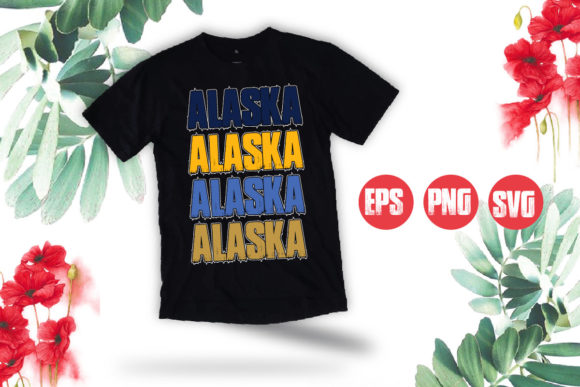
Alaska Retro Vintage T-shirt Design Svg Review
As a designer who spends more time than I care to admit troubleshooting thread jams and adjusting stitch density, I approach every new machine embroidery design with a mix of optimism and skepticism. When I first encountered the Alaska Retro Vintage T-shirt Design Svg, my initial reaction was one of genuine interest. It isn't just another generic mountain silhouette; it carries a specific mood that feels both nostalgic and rugged. For anyone running a small shop or crafting personalized gifts, finding a design that balances aesthetic appeal with technical feasibility is the holy grail. This review looks at how this piece performs when moved from a digital preview to actual stitching on fabric.
The First Impression: Mood and Visual Personality
The moment you open the file, the retro vibe hits hard. The layout suggests a classic mid-century travel poster aesthetic, which translates beautifully into an embroidery file. The shapes are bold enough to hold up under the tension of a needle, yet they retain the soft, worn look that defines vintage style. In the world of T-Shirt Designs and Graphics, simplicity often wins, but only if the execution is precise. This design manages to feel busy without being cluttered, offering a strong focal point that works well as a chest logo or a central back print.
Visually, it screams "outdoor adventure" while maintaining a cozy, handmade charm. This duality makes it incredibly versatile. It doesn't just sit there; it invites the viewer to imagine a crisp autumn morning in Denali or a road trip along the Alaska Highway. For a creative entrepreneur, this kind of emotional connection is what drives sales. It transforms a simple piece of cotton into a statement piece that customers want to wear and show off.
Real-World Application: From Screen to Stitch
I recently put the Alaska Retro Vintage T-shirt Design Svg to the test for a custom order. The client wanted a unique embroidered patch for a leather satchel intended as a graduation gift. This scenario is perfect for evaluating durability and detail retention. When digitizing or using pre-made files for leather or heavy canvas, the risk of distortion is high. However, the clean lines of this design held their shape remarkably well.
Imagine applying this same design to a heavy-duty sweatshirt for a winter sports boutique. The contrast between the fill stitches and the background fabric would create a tactile texture that machine-washed prints simply cannot replicate. For an Etsy seller looking to expand their inventory beyond standard tees, this design could easily transition onto aprons for coffee shops, pillow covers for rustic nurseries, or even tea towels for holiday markets. The versatility here is not just theoretical; it is practical. A single design asset can spawn an entire product line, from baby onesies to adult hoodies, provided the color palette is adjusted correctly.
The design also shines when used for commercial embroidery projects where brand consistency matters. If you are building a boutique brand around outdoor living or Alaskan heritage, this graphic offers immediate recognition. It signals quality and attention to detail before the customer even touches the item. That level of professionalism is crucial for establishing trust in a crowded marketplace.
Navigating Technical Challenges
While the design is robust, no embroidery project is without its hurdles. There are specific scenarios where you need to exercise caution. If you plan to use this on a small hoop size, such as a cap brim or a tiny baby hat, pay close attention to the fine details. Tiny lettering or intricate corner elements can sometimes get lost in the stitching process if the resolution isn't high enough for the physical space available.
Fabric choice plays a massive role in the final outcome. On stretchy fabrics like jersey knits, the stabilizer must be substantial to prevent puckering. If you skip the proper stabilizer, even the best digital embroidery file will look distorted. Similarly, textured fabrics like fleece or bouclé can hide the definition of satin stitches, making the image appear muddy. In these cases, testing on scrap fabric is non-negotiable. You need to see how the thread interacts with the weave before committing to a finished product.
Dense stitch areas are another consideration. While the retro style usually avoids excessive density, any area with heavy fill stitches needs adequate backing to prevent the fabric from pulling or warping. If you are working with dark fabric, ensure your thread colors offer sufficient contrast. A light gray fill on a navy shirt might disappear entirely once stitched, ruining the visual impact. Always check your thread selection against the fabric background to maintain clarity.
Design Notes for the Practical Maker
Before you start charging for items made with this design, there are several technical checks you should perform. First, always test the stitch density on a piece of scrap material that matches your final product. This helps you gauge whether the design requires additional stabilizer layers or if the tension settings on your machine need adjustment. Second, inspect small details closely. Sometimes, curves that look smooth on a screen can become jagged when rendered in thread, especially if the hoop size is limited.
It is also wise to review the design in black and white mockups. This removes the distraction of color and forces you to evaluate the composition and balance of the shapes. Does the negative space work? Is the visual weight distributed evenly? These questions determine whether the design will look professional on a $50 hoodie or a $15 tote bag. Furthermore, confirm whether the licensing allows for commercial use. Many creators sell finished goods based on these designs, and violating terms can lead to legal trouble. Ensure you have the right permissions before listing items on Etsy or selling at craft fairs.
Final Verdict on Visual Appeal and Value
The Alaska Retro Vintage T-shirt Design Svg succeeds because it respects the medium of embroidery. It does not try to mimic a photograph but instead embraces the unique texture of thread. For a handmade product, this authenticity is invaluable. Customers are increasingly seeking items that feel personal and crafted, not mass-produced. This design delivers exactly that feeling.
When used correctly, it elevates the perceived value of the finished product. A simple t-shirt becomes a collectible item; a plain tote bag becomes a branded accessory. The retro theme resonates with current trends, making it a safe bet for seasonal collections, particularly around holidays or summer travel seasons. Whether you are creating personalized gifts for friends or building a scalable business model, this design asset offers a solid foundation.
In conclusion, if you are looking for a reliable graphics package that bridges the gap between digital art and tangible craft, this is a strong contender. Just remember that success lies in the preparation: choose the right fabric, secure the proper stabilizer, and test thoroughly. With those steps in place, the Alaska Retro Vintage T-shirt Design Svg can transform into a stunning centerpiece for your next custom apparel line or boutique collection.