Reviewing Roofer Vintage Retro Style for Real Embroidery Projects
As a designer who spends hours testing files on everything from delicate baby onesies to heavy-duty workwear, I have learned that the difference between a good product and a great one often lies in the details of the design itself. Recently, I came across the Roofer Vintage Retro Style file, and while it is marketed as a versatile graphic, my primary interest was seeing how it translates from a digital screen into actual thread. The description mentions compatibility with Cricut and suitability for various surfaces like mugs and phone cases, but for an embroidery specialist, the real question is: does this hold up under the needle?
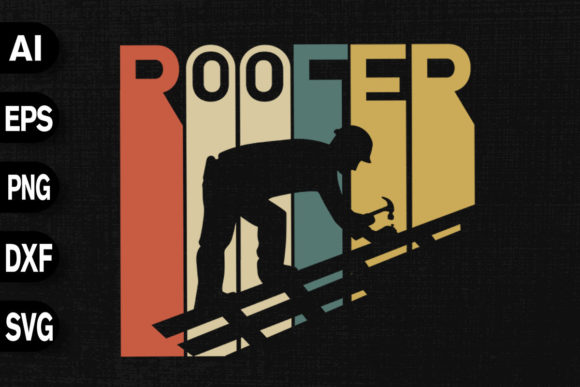
The first impression of Roofer Vintage Retro Style is one of rugged nostalgia. It carries a distinct mood that feels perfect for trade-specific apparel or casual wear. When you look at the layout, there is a clear sense of purpose; it isn't just random clip art. The retro aesthetic suggests durability and craftsmanship, which aligns perfectly with the profession it depicts. For anyone running a small shop or selling handmade goods, this kind of visual personality is gold. It creates an immediate connection with the wearer, signaling pride in their trade.
I recently decided to put this design through its paces for a specific client project. The goal was to create a custom embroidered tote bag for a local hardware store's anniversary event. They wanted something that celebrated the tradespeople who keep the community running. My initial thought was to use Roofer Vintage Retro Style because of its bold lines and vintage appeal. However, before committing to the final fabric, I had to consider the practicalities of machine embroidery.
One of the most critical factors in any embroidery project is stitch density. A design that looks crisp on a computer can sometimes turn into a muddy blob if the fill stitches are too tight for the chosen fabric. In the case of Roofer Vintage Retro Style, the vintage style usually implies some texture, but without knowing the exact stitch count provided in the file, caution is necessary. If the design includes fine details or tiny lettering, those areas might be risky on a standard tote bag canvas unless the hoop size is large enough to stabilize the material properly. I always recommend testing the design on scrap fabric first to see how the threads interact with the weave.
When thinking about where this design fits best, the possibilities are broad. It works exceptionally well for sweatshirt embroidery or t-shirt designs intended for everyday wear. The retro theme lends itself to high-quality cotton blends, which provide a stable surface for the stitching. For a custom apparel line, this could serve as a signature piece for a brand focusing on outdoor or construction themes. It also has potential as a personalized gift for fathers or grandfathers who take pride in their roofing work. The emotional value added by a thoughtful, well-executed design often outweighs the cost of the materials.
However, not every application is suitable. There are scenarios where Roofer Vintage Retro Style requires careful handling. Small hoop sizes can be problematic if the design relies on intricate corners or very small text. On textured fabrics, such as heavy fleece or boucle, the definition of the design might get lost. Similarly, stretchy fabrics require a stabilizer that prevents puckering, and even then, dense areas of the design might distort the garment over time. Dark fabrics present another challenge; if the file does not include a contrasting outline or a specific color palette for dark backgrounds, the vintage colors might not pop as intended. Always check the thread colors against your fabric swatch before starting the machine.
For sellers on platforms like Etsy or owners of craft businesses, the presentation of the finished product matters immensely. A clean, professional-looking embroidery elevates the perceived value of the item. If Roofer Vintage Retro Style is executed with proper tension and backing, it signals quality to the buyer. This builds trust and encourages repeat business. Conversely, loose threads or skipped stitches can make a handmade product look amateurish, regardless of how cute the concept is. The design assets should support the brand consistency you are trying to build.
I also considered using this file for holiday gifts or wedding favors. While it might seem niche for a wedding, it could work beautifully for a groomsmen gift set featuring aprons or caps. The key here is to ensure the design is scaled correctly. An oversized design on a cap can look awkward, while a tiny version on a kitchen towel might get lost in the folds. For embroidered patches, the edges need to be clean, so checking the file for a proper border or satin stitch edge is essential. If the file is primarily a vector graphic meant for cutting machines, converting it for embroidery might require additional digitizing to ensure the stitches follow the contours naturally.
Another aspect to consider is the versatility of the file. The product description notes compatibility with Cricut, which suggests it is likely a vector format. While this makes it excellent for vinyl transfers or stickers, using it for machine embroidery requires a separate digitized version. If you are buying this as a digital embroidery file, verify that it includes the necessary formats for your machine (like .pes, .dst, or .exp). If you are planning to use the same artwork for both vinyl and thread, ensure the details translate well in both mediums. Sometimes, what looks good in flat print loses its impact when converted to 3D thread.
Practical advice for designers looking to incorporate Roofer Vintage Retro Style into their workflow includes reviewing the stitch density settings. High-density areas can cause fabric distortion, especially on lighter materials. Using the correct stabilizer is non-negotiable; a tear-away might not be sufficient for a heavy-duty design on a flexible fabric. Additionally, inspect small details closely. Tiny elements that look fine on a screen can disappear completely once stitched, particularly if the thread thickness is standard. Comparing light and dark fabric backgrounds in your mockups can help you decide if you need to adjust the color palette or add a shadow effect to enhance visibility.
Finally, for those interested in commercial projects, licensing terms are crucial. Even if the file says it is compatible with Cricut, that does not automatically grant rights to sell finished products made from the design. Confirm whether the license allows for commercial use on physical goods like boutique branding items or craft fair products. Without the proper permissions, you risk legal issues down the line. Always read the fine print to understand if you can sell the finished item or if the purchase is limited to personal use.
In conclusion, Roofer Vintage Retro Style offers a strong foundation for creative entrepreneurs looking to add character to their product lines. Its vintage charm and trade-specific theme make it a compelling choice for handmade products targeting a specific demographic. However, success depends on technical execution. By paying attention to fabric selection, stabilizer usage, and scale, you can transform this digital asset into a high-quality finished product that customers will love. Whether you are creating a single personalized gift or building a catalog of small shop products, taking the time to test and refine the design ensures that your hard work shines through in every stitch.